

How Sleep Affects Your Mental Health

In these days of high uncertainty and anxiety, getting a good night’s rest is more important than ever. Quality sleep and the state of your psychological health are closely connected. Sleep deprivation can have an impact on your mental state and physical health. Conversely, if you have mental health issues, you are more prone to insomnia. Here are some additional ways sleep affects your mental health.
Common Sleep Disorders
The most common sleep problems are insomnia (difficulty falling or staying asleep), obstructive sleep apnea (disordered breathing that can cause several awakenings), movement syndromes (unpleasant sensations that lead to night fidgeting), and narcolepsy (extreme sleepiness/falling asleep suddenly during the day).
Sleep which has been disturbed affects the level of neurotransmitters and stress hormones. This wreaks havoc in your brain, leading to impaired thinking and emotional regulation. Disturbed sleep can lead to depression. Many people with depression suffer from insomnia and both can exacerbate the other. Poor sleep can also lead to anxiety disorders. Insomnia can worsen the symptoms of anxiety disorders or prevent recovery.
Sleep Hygiene
One of the recommendations for sleep problems is better sleep hygiene. Good sleep hygiene includes maintaining a regular sleep-and-wake schedule, using the bedroom only for sleeping or sex, and keeping the bedroom dark and free of distractions like the computer or television.
A Quality Mattress Makes A Difference
Another recommendation is to ensure you sleep on a mattress that doesn’t move, remains cool while you sleep, and isn’t too soft or too firm.
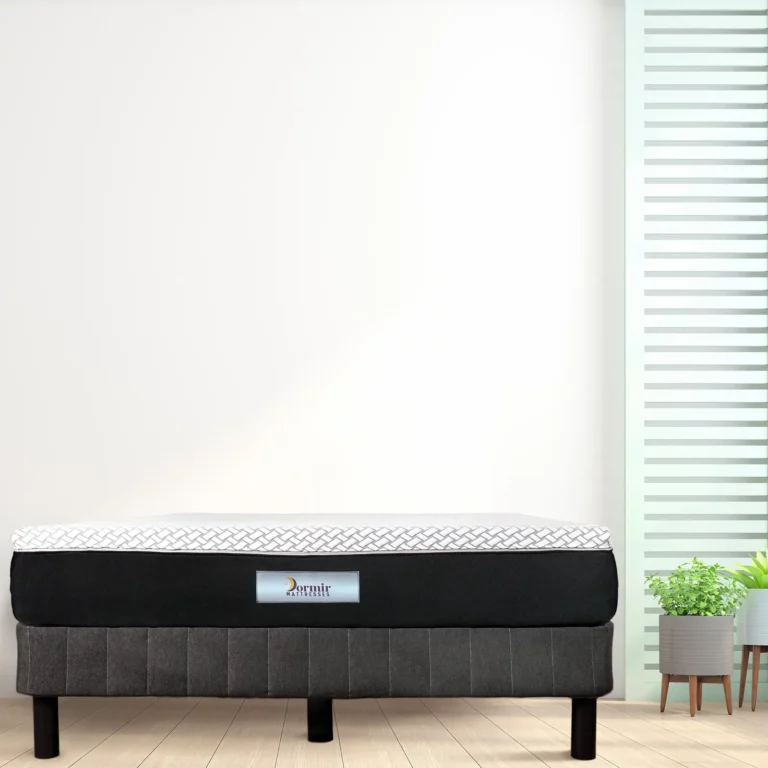
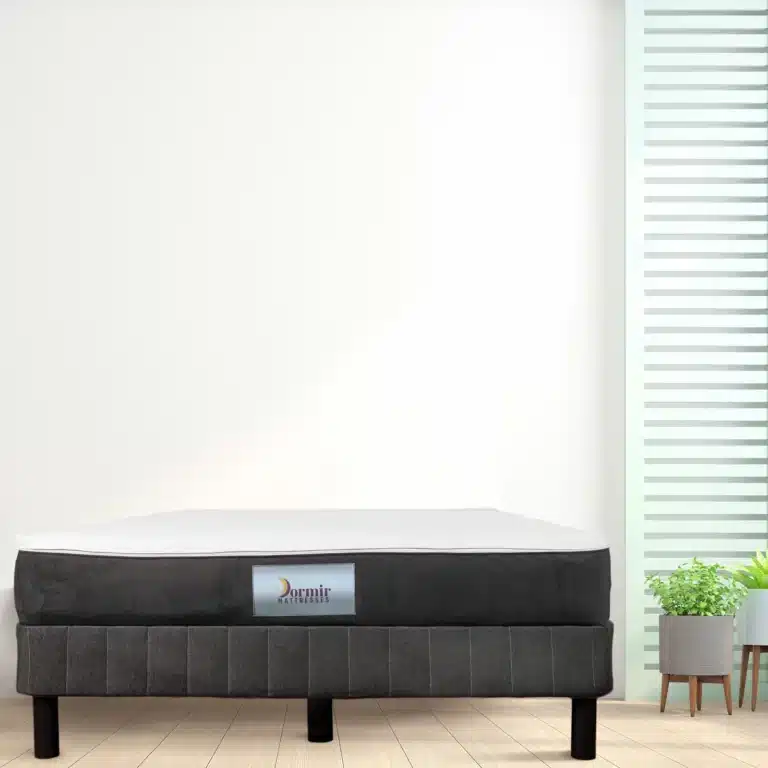
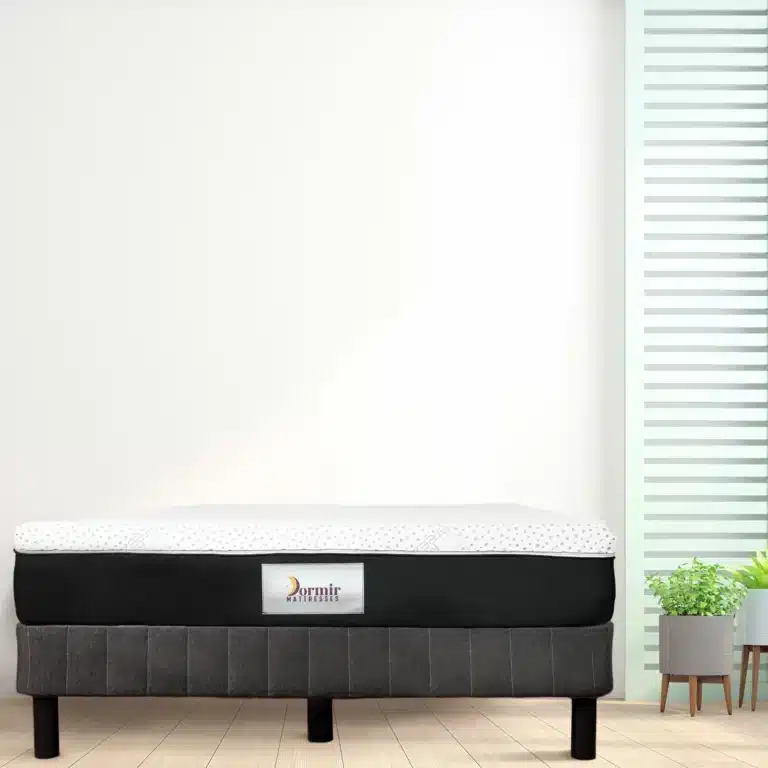
Consider a Dormir natural latex mattress which conforms to your shape. With the ability to customize your latex mattress, you can choose a specific level of comfort and feel, including separate firmness levels on each side of the mattress to accommodate individual preferences. With natural latex, motion is also isolated, so when one-bed partner turns or tosses, the movement is barely felt by the other sleeper.
Dormir also offers the Biocrystal® mattress — sleeping, sitting or resting on foam infused with Biocrystal® revitalizes the body, providing the quality rest needed so you can function well each and every day.
Sleep Better and Improve Your Health With Dormir
At Dormir, our customers benefit from a family-owned business with a decades-long history of creating mattress and sleep accessories and many satisfied customers. We offer an online, one-stop mattress purchasing and delivery package. Contact us for a cooler and sounder sleep!